
The World Leans In, Sometimes
How sustained attention reveals the animacy of place
This is Part 3 of a three-part exploration of animism and belonging.
Part 1: You Already Belong
Part 2: Belonging Without Community
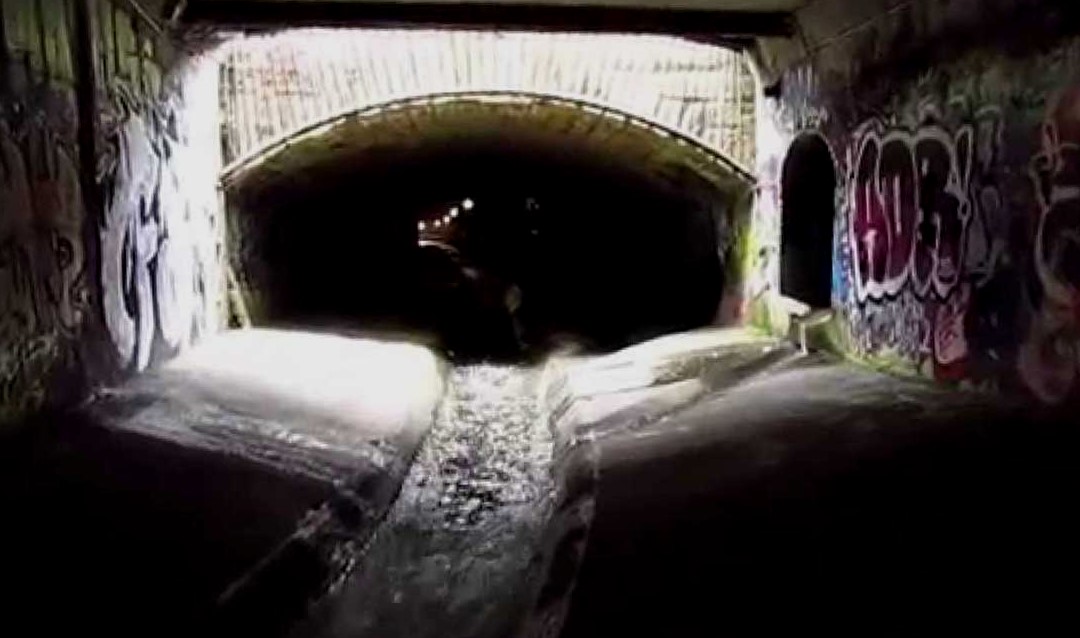
I was in the city again this week, mostly for work. After a busy day putting out strategic spotfires, steering conversations about how to measure a thing, and shoring up my staff’s will to live, I left the office taking short cuts to get to the carpark. It’s summer, which I’m not a huge fan of, but it was a beautiful afternoon — warm, still, and soft, tinged light filtering through the trees lining the footpath.
After a time, I glanced up as I entered the mall, the way I always do when passing Wellington Bridge — the old sandstone arch from 1841 that sits beneath the shopping precinct, still spanning the Hobart Rivulet that flows underneath everything. I wasn’t headed toward the Wellington Bridge viewing portal. My car was in the other direction. But I always acknowledge it in passing, usually without thinking.
Just as I lifted my head, oh boy did I feel it. It was like a wave of warm, welcoming jello enveloped me, just for a second, and then it moved through me and on.Time slowed. I was held in greeting — gently, softly, warmly. My whole being, physical and otherwise, was met in its entirety by the mall? Wellington Bridge? The buried creek flowing with old energy through old territory? Something. And it was saying hello.
One being to another on an intrinsic, innate level. The feeling wasn’t love exactly — that misses the mark. But a moment of perfect relation, two silhouettes aligning in recognition and mutual presence.
The moment passed. My knees sagged slightly. Someone watching might have noticed a brief stagger, maybe seen me wipe something from my eye. A tear, just one, at a moment of beauty and connection now gone.
—
I’ve written about belonging — first that we already belong, then that belonging doesn’t depend on community. But there’s a third layer that needs saying carefully: sometimes the belonging feels mutual. Sometimes what grounds us leans in.
This is where animist practice goes, if you stay with it long enough.
What makes these moments possible
The mall experience didn’t happen because I performed the right ritual under the right moon with my tongue sticking out the right way. Or believed the right thing, burnt the right incense, or had the right shiny rocks. It happened because I’ve been practicing place-based attention for years. I greet the bridge. I notice the buried creek. I acknowledge the infrastructure, the weather systems, the magpies, the culverts. Not as backdrop, but as active participants in the place I inhabit.
Animacy isn’t a starting belief. It’s what becomes perceptible through practice.
You don’t have to begin by believing the world is alive. You can just practice sustained attention to place. You can maintain relationship with where you are — the verge, the streetlight, the weather, the birds. And slowly, perception shifts. What seemed like context starts showing up as a counterpart. What seemed inert begins to feel animate.
Some scholars call this vibrant matter or multispecies entanglement. They’re mapping the agency of things, the ways everything is already in relation. And they’re right. But what I’m describing is what that feels like from inside the practice. It’s the experiential dimension of what new materialism theorizes: the shift from experiencing place as setting to experiencing it as participant.
The world doesn’t perform on demand. Most days nothing happens. The culvert is just infrastructure. The sky is just sky. The mall is just annoying. But sometimes — not frequently, not predictably — the world feels closer. A magpie holds your gaze. Wind moves through leaves at the exact moment you shift attention. Heat radiates from brick and you feel held rather than insulated.
These moments land in the body as recognition: You are here. I am here. We are not separate. There are rational explanations for all of it. And yet the experience registers as contact. As mutual presence rather than projection. As the world meeting your attention with its own.
The “woo” is real, and it’s important
I need to be clear about something. This isn’t metaphor. I’m not describing a comforting psychological shift or a poetic way of speaking about attachment to place. When the mall greeted me, something happened that exceeded interpretation. It involved more than my perception rearranging itself.
The animist framework I’ve been building through this trilogy isn’t just about reframing your relationship to place. It’s about what sustained, disciplined attention begins to disclose. Over time, the bridge, the creek, the infrastructure, the weather systems stop behaving like backdrop and begin presenting themselves as presences. Not symbolically, but experientially. Not as projection, but as encounter.
Some scholars describe this as agency, vibrant matter, multispecies entanglement. Those frameworks matter as they map the relational field from the outside. But from within practice, agency language eventually feels incomplete. What remains is something older and more direct: spirit. Not as doctrine. Not as inherited belief. But as lived recognition of presence.
In practice, the buried creek reveals itself as having depth independent of me. Wellington Bridge carries something more than structural function. And occasionally, not predictably, not on demand, the relation feels mutual. As if attention has weight. As if the noticing is met.
You can call that animacy. You can call it vibrant matter. You can call it spirit. What matters is that it emerges through relationship, not assertion.
What changes when you perceive animacy
Once perception shifts, you can’t unsee it. It changes how you move through the world. Not because you’ve adopted an ethical framework that says “respect nature” or “treat things as sacred.” But because you’re in felt, living relationship with animate presences. The culvert isn’t infrastructure you’re being mindful about, it’s a presence you’re in ongoing relation with. The magpie isn’t wildlife you’re appreciating, it’s someone who might hold your gaze or ignore you entirely, depending on the day.
This has practical implications. Where you put your attention matters. How you move through space matters. Not because of rules, but because relationships have weight and consequence.
When you walk past the verge every day, acknowledging what’s there, the relationship deepens. Not always noticeably. But it compounds. And every so often, you get a moment like the mall — when the accumulated attention yields something that feels like recognition.
You start making different choices. Small ones. You take a different path to avoid disturbing nesting birds. You greet the streetlight that’s been flickering for weeks. You notice when the weather shifts and feel it as arrival rather than inconvenience. You become attuned to the rhythms and presences of where you are, not as observer but as participant.
The world becomes less like backdrop and more like company. And that company doesn’t depend on other humans being present. You’re already held within a web of animate presences, already participating in relationships that existed before you noticed them.
The arc completes
This trilogy has been building toward something specific:
You’re already in relationship with place, whether you notice it or not. That belonging doesn’t require community, because relationship with place provides its own foundation, steady and available. And sustained practice reveals animacy, the shift from experiencing place as context to experiencing it as our counterpart. As animate. As presence that sometimes leans in.
This is what animist practice offers. Not belief to accept, but attention to practice. Not doctrine to follow, but relationship to maintain. Not proof of anything, but a gradual perceptual shift toward recognizing what was always there.
The world is not inert. It never was. We just needed to practice noticing long enough to perceive the animacy we’re already swimming in.
And once you do, you’re not walking through the world alone. You never were.
Esoteric Potato explores animism, place, and relational presence in contemporary urban environments.