
You Already Belong: Animism as Connection
On belonging, connection, and the world we already inhabit
I want to explain something important. The idea came to me cleanly and without fanfare, as inspiration often does. There’s a little backstory before the main point. You’ll know it when you see it.
I was reading the news this morning, which is a fraught pastime right now with the world seemingly gone to shit. But there I was anyway, with my toast and coffee, scrolling through the usual mix of natural disasters, politics, international stupidity, and sport.
Tucked among the gloom was an article about a cult gaining a foothold in Australia. A Christian cult, apparently quite deliberate about how they recruit new members. I didn’t read the whole thing, but I had the same thought I always do when cults come up: people are seeking connection. Cults don’t present themselves that way, of course, but the appeal is obvious — a ready-made network, companionship, belonging.
When connection is scarce, people will accept substitutes.
We already know this story. People will seek connection wherever it’s offered, even when it’s distorted or harmful. I’ve seen it firsthand after years working as a hospital social worker — loneliness doesn’t just hurt, it worsens outcomes. Connection offers something to hold on to. It nourishes. It steadies.
I’m a chronic introvert who can perform learned extroversion when needed. Most of the time, though, I crave quiet and solitude. I recharge on my own. I keep my circle small — a few deep relationships, including our dogs. But even so, I still need to feel connected. I’ve come to recognise connection as a core value, something that quietly drives my decisions and shapes how I live.
So, back to the toast and coffee. A cult taking hold — not surprising. People need connection. Nodding to myself, chewing, letting my gaze drift unfocused out the window. Magpies on the grass. A mouthful of coffee. The half-formed internal commentary rolling on.
Yeah, we need connection. Just as well we have it built into animism — connection to the world around us, right where we already are.
Wow, that magpie baby is growing fast. And I think we’ll have meatballs for dinner tonight…
…wait. Hold up. What did I just say?
Animism is connection
We belong right where we are. We don’t have to earn that belonging — we just have to nurture the connections that are already there, to feel part of the world we already inhabit.
Bam.
The real kicker is this: animism doesn’t require belief to get in the door. There’s no doctrine to accept, no intermediary to translate messages, no allegiance to swear, no future promise of deliverance to hang everything on. We already belong. We are already situated within an interconnecting, relational system that we participate in simply by being here.
This isn’t a new idea. I later recognised the same pattern articulated in Charles Eisenstein’s work, particularly his framing of a shift from a “Story of Separation” to a “Story of Interbeing,” and his emphasis on reconnection to place as central to social and ecological healing. If you’re interested in his work, I really liked Climate: A New Story.
I don’t know whether Eisenstein is an animist or not. He should be. Because this is the potential of animism: not to add meaning from outside, but to restore belonging to where we already are.
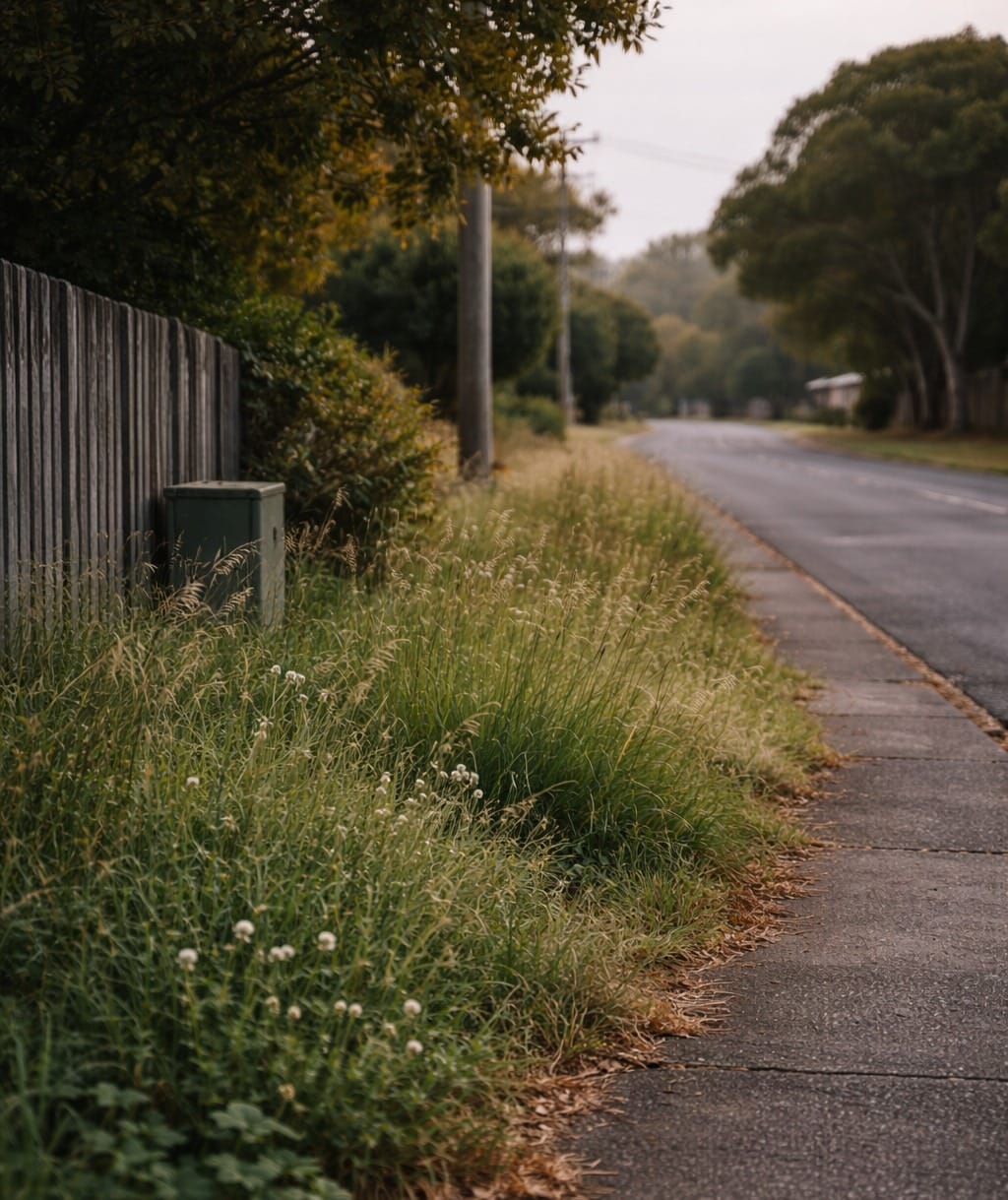
And this isn’t limited to finding a patch of grass or a stand of trees. Animism offers a framework for connection whether you live in a city, the suburbs, or the country. Streets, culverts, weather systems, infrastructure, birds, neglected verges. All of it.
We are connected to where we are, right now.
When that landed, I had to stop and breathe for a moment. I took a few sips of coffee. Blinked back a couple of unexpected tears. Then, after a pause, I went back to chewing my toast.
The mental ground beneath me felt suddenly more solid. And I could see the scope of what that realisation carried.
Connection to place does not replace connection with family and friends. Human relationship remains essential. Animism isn’t a substitute for that. It is a foundation beneath it though as something that supports, steadies, and widens our capacity for connection rather than narrowing it.
For me, this connection to place forms a bulwark against even the darkest days. There are moments when I feel present, connected, and sometimes even recognised by the animate life around me — in the trees, the birds, the sky, the culvert, the unkempt verge, and the hydrant with a petty-coat fetish.
It turns out this is the through-line I’ve been working toward all along. I write about animism, esotericism, and magic because this is what my younger self needed to understand: that I was already part of something larger, already held within a living network, whether I noticed it or not.
I am part of something bigger. There is a network that supports and relates to me, here where I live.
Sometimes that belonging shows up as a fleeting sense of being recognised, usually in a non-dramatic and often unreliable way. We’ll call it a deep moment of alignment with place. A bird holding your gaze a second longer than expected. The quiet feeling that you are not alone in your noticing. Not because the world is performing for you, but because you are finally paying attention to the relationship you are already in.
That’s what animism is.
And that’s what it makes possible.